The Renewable Energy Transition: A Blueprint for Strategic Leadership
— by
Steven Haynes
{
“title”: “The Renewable Energy Transition: A Blueprint for Strategic Leadership”,
“meta_description”: “Renewable energy is more than a climate initiative; it is a structural shift in global operations. Learn how leaders must integrate energy strategy for long-term growth.”,
“tags”: [“renewable energy”, “energy strategy”, “operational excellence”, “business leadership”, “infrastructure investment”],
“categories”: [“Business”, “Technology”],
“body”: “
The Architecture of the Next Industrial Cycle
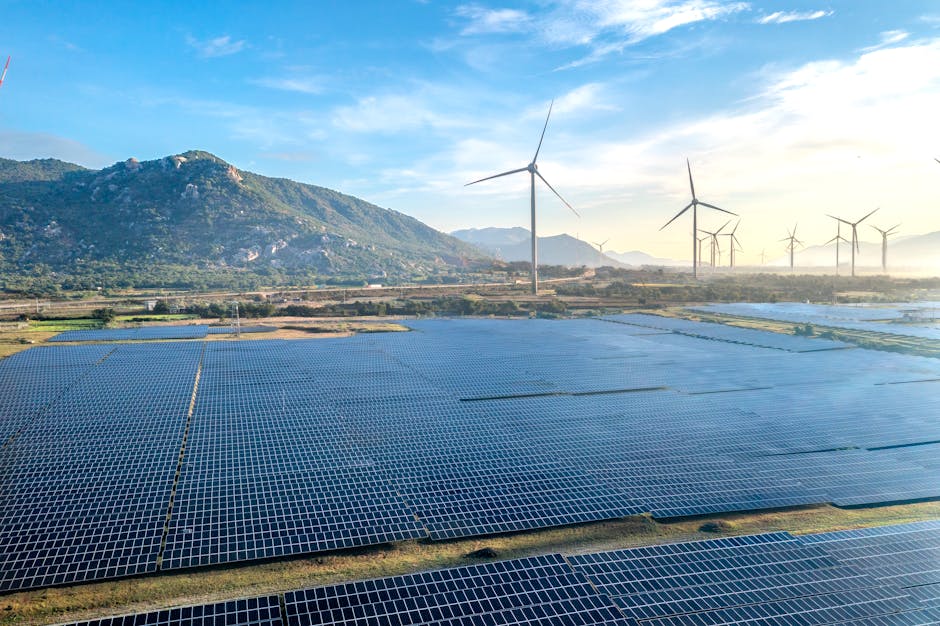
The transition toward renewable energy is often framed as a moral imperative or a regulatory hurdle. For the high-performing leader, this framing is a strategic error. The shift toward decentralized, carbon-neutral energy production represents the most significant restructuring of physical infrastructure since the electrification of the grid. Leaders who treat this transition as an external dependency rather than an internal component of their growth strategy will find their operational costs drifting upward as the market shifts beneath them.
Society is not merely changing its power source; it is changing the fundamental nature of energy storage, consumption, and distribution. When energy becomes a marginal-cost commodity provided by local, intermittent sources, the traditional reliance on centralized, high-cost utility models breaks down. This creates a vacuum in which firms that master energy intelligence gain a distinct competitive edge.
Aligning Operational Excellence with Energy Decentralization
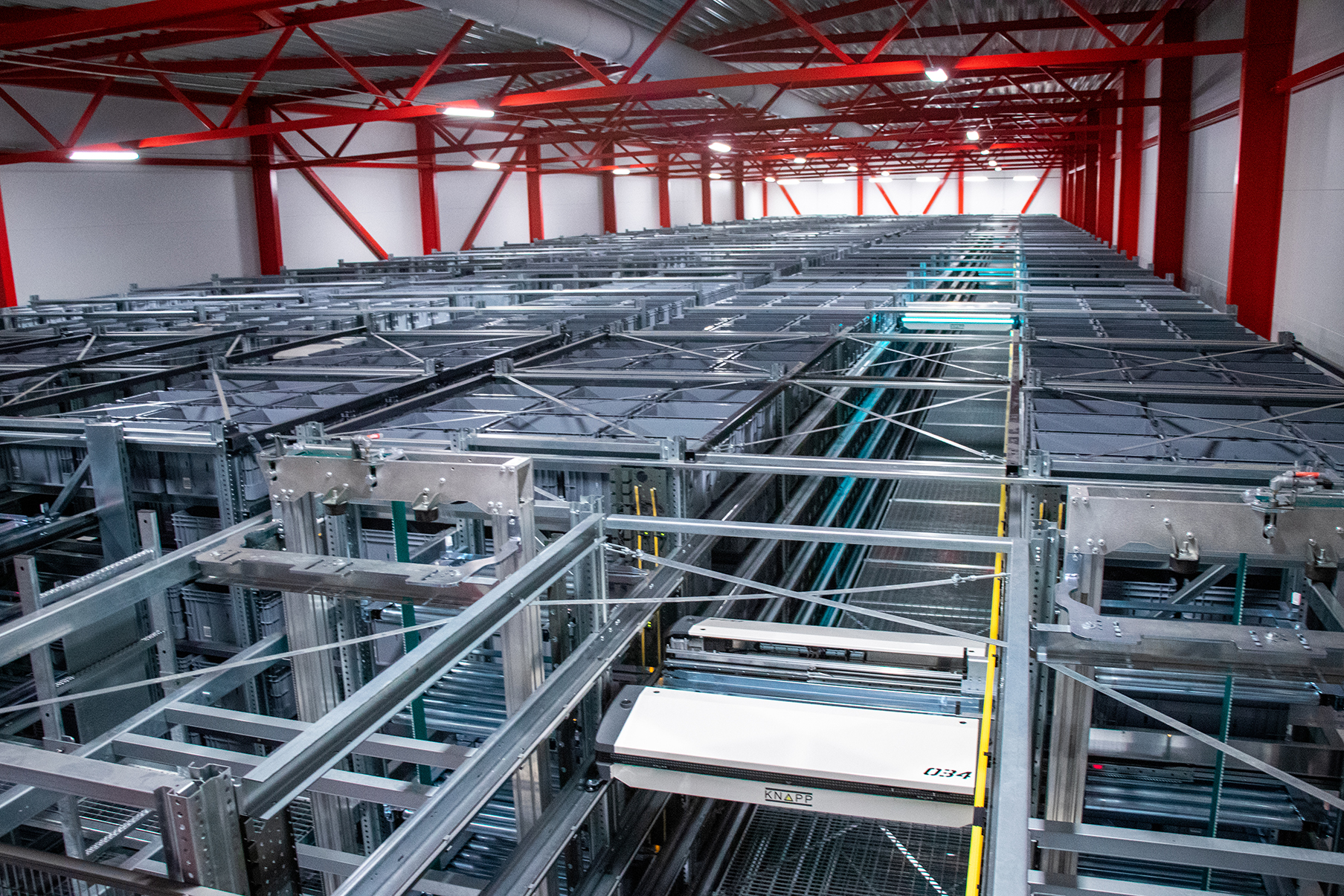
Operational efficiency was historically defined by the optimization of throughput within fixed constraints. In the emerging energy paradigm, constraints are dynamic. Weather patterns, storage capacity, and grid load-balancing require a new class of sophisticated operations management. Firms that operate manufacturing or data-heavy facilities must view energy resilience as a core competency rather than an outsourced utility.
Consider the role of microgrids in industrial zones. By producing and managing energy on-site, companies insulate themselves from the volatility of national grids. This is not just about sustainability; it is about risk mitigation. A failure to build self-contained energy systems is a failure in long-term infrastructure planning. It demands an evaluation of current assets through the lens of robust system design, ensuring that downtime becomes a relic of a less integrated era.
The Intersection of AI and Energy Sovereignty
The complexity of managing a distributed energy network exceeds human cognitive capacity. This is where advanced artificial intelligence moves from a buzzword to a critical operational tool. Predictive modeling, which leverages historical consumption data and meteorological feeds, allows for the precise synchronization of demand-side response. When energy production is variable, intelligence must be constant.
Leadership in this environment involves orchestrating disparate systems into a cohesive whole. It requires informed decision-making regarding capital allocation. Is it more cost-effective to upgrade existing hardware or to invest in localized solar-plus-storage? The correct answer is rarely found in traditional ROI calculations alone; it requires a strategic view of how energy independence affects long-term operational velocity.
Institutional Adaptability and Cultural Shift
A society transitioning to renewable energy faces deep-seated friction in policy and legacy infrastructure. Leaders must accept that state-level policy is reactive. The burden of visionary leadership falls upon those who operate at the intersection of capital and technology. If your firm is waiting for a clear legislative signal to modernize, you are already behind the development curve.
This shift requires a change in organizational mindset. We have spent a century viewing energy as a cheap, inexhaustible input. We must now view it as a precious, finite, and variable resource that must be engineered into every product and process. For more insights on building high-performance organizations, visit The BossMind Network.



Leave a Reply